Turmeric and Joint Comfort: What Studies Actually Support
Medical note: This article discusses foods and researched botanicals. It does not claim to prevent, treat, or cure disease. Supplements are not a substitute for food, and studied amounts are not personal prescriptions.
Direct Answer
When evaluating botanical supplements for joint comfort, turmeric is one of the most widely searched options. Current scientific meta-analyses support the notion that oral turmeric and its active component, curcumin, are studied for potential benefits related to knee joint comfort, including stiffness and overall mobility. The initial evidence from these studies is positive, suggesting it may help some individuals as a supportive measure. However, researchers are entirely explicit that this evidence remains initial and highly mixed. Higher-quality, large-scale clinical trials are still strictly needed before definitive conclusions can be drawn. Turmeric is not a pharmaceutical agent; it does not cure, treat, or prevent osteoarthritis or any other joint disease. It is strictly a dietary supplement that may offer supportive comfort. Furthermore, researchers emphasize that increasing the body’s absorption of turmeric may introduce distinct safety risks, specifically concerning liver health, which consumers must weigh carefully.
What Turmeric and Curcumin Are
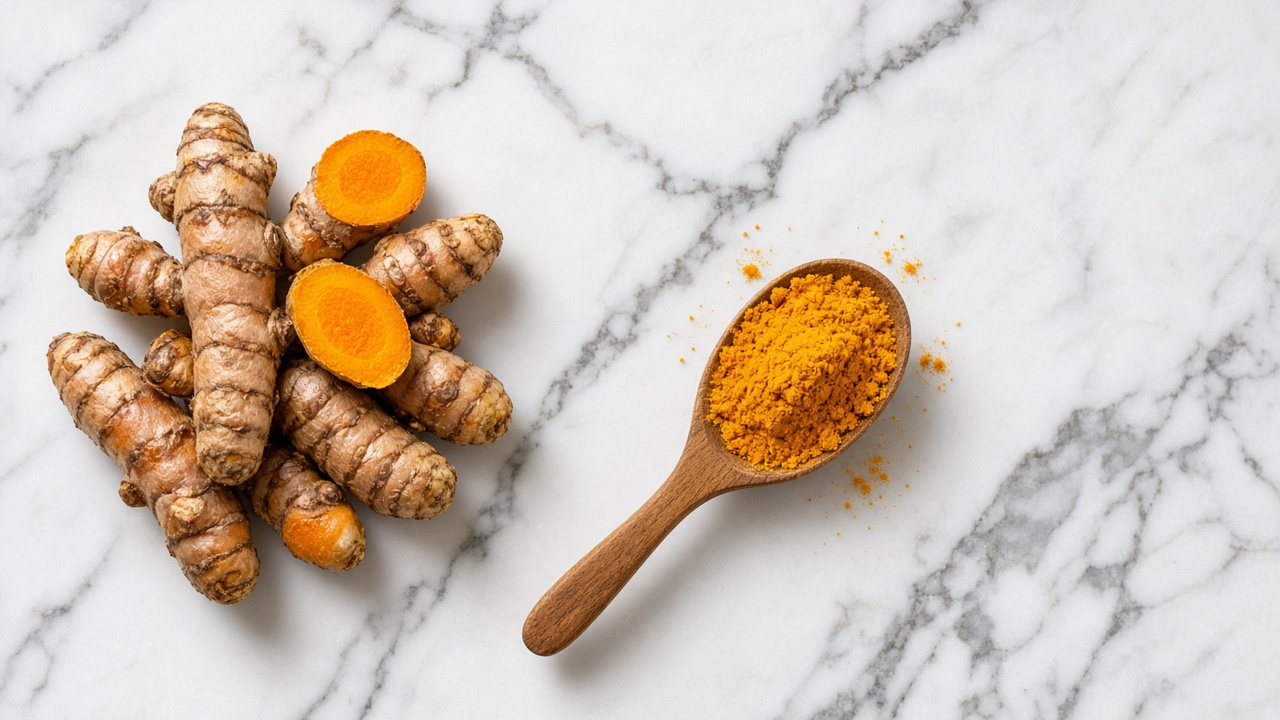
To understand the studies, it is necessary to distinguish between the whole plant and its isolated compounds. Turmeric is derived from the rhizome, or underground stem, of Curcuma longa, a botanical belonging to the ginger family. It has a long history of use in traditional Indian, Chinese, and Thai practices as a culinary spice and a supportive botanical.
The biological activity of turmeric is most commonly attributed to curcuminoids, with curcumin being the most abundant and heavily researched. However, there is a substantial difference between standard pantry turmeric and the concentrated extracts utilized in clinical trials. Standard turmeric powder naturally contains only a small fraction of curcuminoids, usually around two to five percent by dry weight.
The primary biological hurdle is curcumin’s notoriously poor systemic absorption. Curcumin is highly lipophilic and unstable in the gastrointestinal tract. When standard turmeric is ingested orally, the body rapidly metabolizes and excretes it, allowing only trace amounts into the bloodstream. Because of this poor bioavailability, manufacturers modify formulas to enhance absorption, which alters how the body processes the botanical and complicates how we interpret the scientific evidence.
Evidence at a Glance
Comparing available evidence on turmeric and joint comfort is challenging because oral curcumin products vary drastically in curcumin content and delivery mechanisms. According to the National Center for Complementary and Integrative Health (NCCIH), several meta-analyses have evaluated oral turmeric or curcumin for osteoarthritis measures, specifically looking at variables related to relieving knee pain, easing knee stiffness, increasing joint strength, and improving joint mobility.
The consensus among these meta-analyses is that initial evidence is positive and suggests turmeric may help support joint comfort. However, data is currently insufficient for absolute clinical certainty. Higher-quality, rigorous evidence is required to reach definitive conclusions regarding its efficacy. Furthermore, more research is distinctly needed to fully understand how modifying curcumin’s bioavailability alters both joint effects and its overall safety profile in the human body.
| Question | What the cited sources support | Practical reading |
|---|---|---|
| Knee pain/stiffness meta-analyses | Initial positive evidence suggests oral curcumin is studied for supporting joint mobility and comfort; higher-quality evidence is still needed. | Turmeric may help support general knee comfort, but it is not a guaranteed remedy, and trial results are mixed. |
| Topical curcumin | It remains entirely unclear whether topical curcumin ointments have any measurable effect on joint comfort or knee osteoarthritis. | Applying turmeric directly to the skin over a joint is not currently supported by strong clinical data for internal joint comfort. |
| Bioavailability/piperine | Combining curcumin with agents like piperine improves bioavailability, but the impact of enhanced absorption on actual joint outcomes requires more research. | Formulations designed for high absorption get more curcumin into the blood, but we do not fully know if this translates to better joint support. |
| Safety | Conventionally formulated oral turmeric is likely safe for 2-3 months. High-bioavailability forms have been associated with liver injury cases. | Basic turmeric powder is generally safe short-term, but enhanced-absorption supplements carry a rare but severe risk of liver toxicity. |
Choosing and Using Turmeric
If you and your healthcare provider decide that trying a turmeric supplement is appropriate for supporting your joint comfort, navigating the consumer market requires careful attention to formulations, dosages, and quality control.
Types (Powder, 95% Curcuminoids, Piperine Combos, Phytosome/Liposomal)
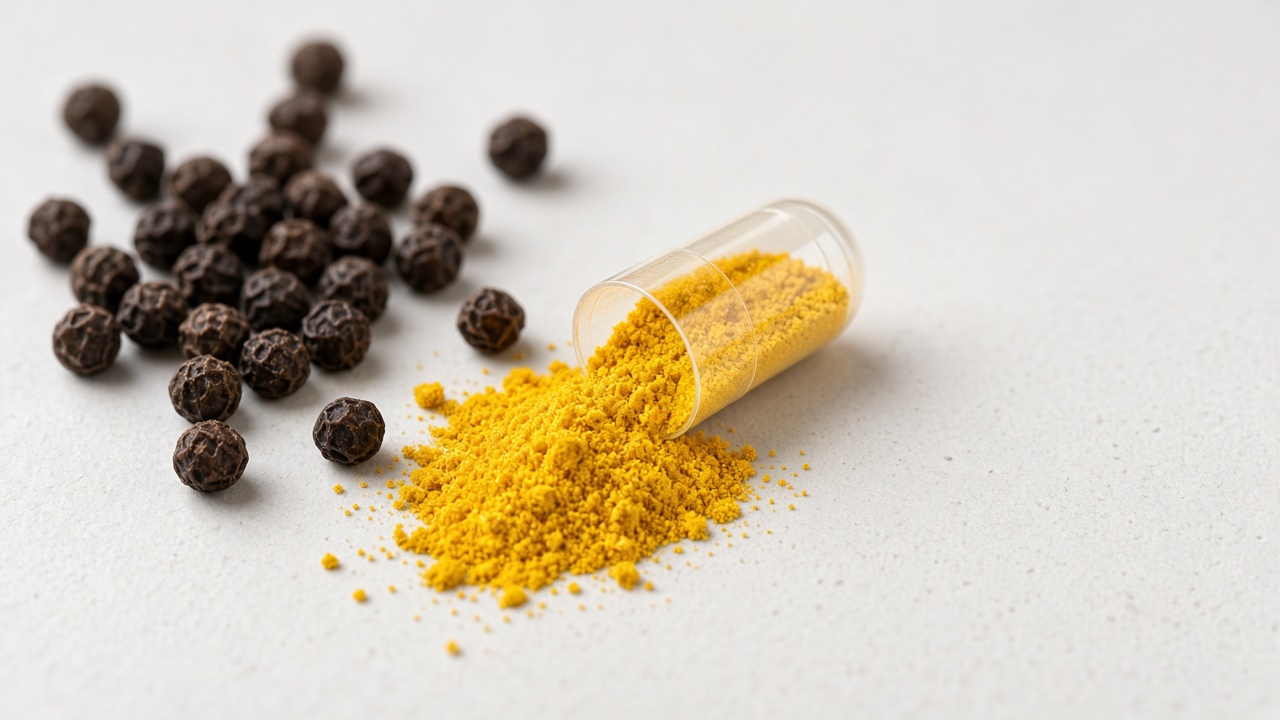
The market offers several distinct categories of turmeric. Basic turmeric powder is simply the dried, ground root, offering a natural but low-concentration botanical matrix. Standardized extracts are processed to contain 95% curcuminoids, delivering a massive increase in the active compound compared to the raw spice. To overcome poor absorption, many brands offer piperine combos, which blend curcumin with black pepper extract. Advanced formulations utilize phytosome or liposomal technologies, encasing curcumin in lipids to facilitate easier passage across the intestinal wall into the bloodstream without relying on metabolic inhibitors like black pepper.
Why More Bioavailability Is Not Automatically Better
It is a common consumer misconception that supplements with the highest absorption rates are inherently superior. In the case of turmeric, increasing bioavailability significantly alters the safety profile. The NCCIH and LiverTox databases explicitly report that highly bioavailable formulations of curcumin—those utilizing piperine or lipid nanoparticle delivery methods to bypass the body’s natural excretion processes—have been linked to cases of clinical liver damage. Bypassing the liver’s natural metabolic checkpoints means higher systemic exposure, which is currently theorized to trigger idiosyncratic liver injury in susceptible individuals. Therefore, maximum absorption does not automatically equal maximum safety.
Trial Doses vs. Label Servings
The dosages used in scientific trials rarely match the suggested serving sizes found on over-the-counter supplement labels. Clinical studies investigating joint comfort often utilize specific, controlled amounts of standardized curcuminoids, sometimes ranging up to 1,000 milligrams or more per day of the active compound. In contrast, a retail supplement may list 1,000 milligrams of “turmeric root,” which yields only a negligible fraction of curcuminoids. Understanding the difference between total root weight and standardized curcuminoid yield is essential for matching trial parameters.
Labels and Proprietary Blends
Many commercial turmeric supplements use proprietary blends, obscuring the exact amount of each ingredient. A label might group turmeric root, curcumin extract, and ginger together under a single milligram amount. This practice makes it impossible to know if the product provides an amount of curcuminoids comparable to those studied in the positive meta-analyses. Consumers seeking to replicate study conditions generally look for labels that explicitly state the exact milligram yield of curcuminoids.
Third-Party Testing
Unlike pharmaceutical drugs, dietary supplements are not approved by the U.S. Food and Drug Administration (FDA) before they are sold to the public. The responsibility for safety and accurate labeling falls entirely on the manufacturer. Because regulatory oversight is limited, seeking out products verified by independent third-party testing organizations is a crucial step. These organizations test products to ensure they actually contain the ingredients listed on the label and are free from unsafe levels of heavy metals and microbial contaminants.
Adulteration (Lead Chromate)
Quality control is a significant issue in the global turmeric supply chain. To achieve a vibrant, highly saturated yellow color that consumers associate with high quality, some unethical suppliers adulterate raw turmeric powder with lead chromate, a toxic industrial chemical. Chronic exposure to lead chromate poses severe neurological and cardiovascular risks. This reality underscores the absolute necessity of purchasing turmeric products from reputable brands that mandate strict supply chain transparency and rigorous contaminant testing.
Timing With Fat
Because curcumin is highly lipophilic, it is generally recommended to consume turmeric supplements alongside a meal that contains dietary fat. Taking the supplement with foods rich in healthy fats—such as avocados, olive oil, nuts, or full-fat dairy—provides a lipid vehicle that may help support the natural absorption of curcuminoids in the digestive tract. Taking turmeric on a completely empty stomach may result in the majority of active compounds being excreted without entering systemic circulation.
Trial Period
Scientific studies assessing turmeric for joint comfort typically measure outcomes over a set period, often two to three months. Conventionally formulated oral turmeric is considered likely safe in recommended amounts for this specific two-to-three-month duration. It is generally advised to view supplementation as a structured trial period. If joint comfort is not supported or improved after a few months of consistent use, it may be appropriate to discontinue the supplement and explore other supportive options with a healthcare provider.
Who Should Skip
Turmeric supplementation is not appropriate for everyone. Individuals with gallbladder issues should avoid it, as it may stimulate gallbladder contractions. Those taking blood thinners must exercise extreme caution, as turmeric may amplify anticoagulant effects. Pregnant individuals should avoid medicinal amounts of turmeric, as it may be unsafe during pregnancy. Finally, anyone with a history of liver conditions should strictly avoid high-bioavailability curcumin supplements due to the established risk of hepatotoxicity.
Safety and Interactions
While conventionally formulated oral turmeric is generally considered safe for short-term use, it is not without potential adverse effects. The most common side effects are gastrointestinal, including nausea, vomiting, acid reflux, stomach upset, diarrhea, or constipation. Topical applications can occasionally cause hives or localized itching. Furthermore, turmeric may inhibit the absorption of dietary iron, an important consideration for individuals managing anemia or low iron stores.
The most pressing safety concern involves liver health. According to LiverTox and NCCIH, multiple cases of clinically apparent acute liver injury have been directly attributed to highly bioavailable forms of curcumin. The latency to onset of this liver injury typically ranges from one to four months after starting the supplement. Symptoms present insidiously with fatigue, nausea, and poor appetite, quickly followed by dark urine and jaundice. If you notice any of these symptoms while taking turmeric or curcumin, you must stop consuming the product immediately and contact a healthcare provider. Because the FDA does not evaluate dietary supplements to diagnose, cure, treat, or prevent any disease, monitoring personal health while taking these products is entirely the consumer’s responsibility.
Frequently Asked Questions
Is turmeric a replacement for joint medication?
No. Turmeric is a dietary supplement studied for its potential to support general joint comfort, but it is not a replacement for prescribed medical treatments. It does not cure or treat joint diseases, and any changes to a medical regimen must be supervised by a healthcare provider.
How long does it take for turmeric to support joint comfort?
In clinical trials and meta-analyses, researchers typically evaluate the supportive effects of curcumin over a period of four to twelve weeks. It is not an immediate analgesic, and consistent daily use over a trial period of two to three months is generally how it is studied.
Can I just use turmeric spice from my kitchen?
While culinary turmeric is a healthy dietary addition, it contains very low levels of curcuminoids and is poorly absorbed. To replicate the amounts used in scientific studies for joint comfort, one typically needs a concentrated, standardized dietary supplement rather than culinary spice alone.
Does black pepper always need to be included?
Black pepper extract (piperine) is frequently included to enhance absorption, but it is not strictly required. Other formulations use lipid-based delivery systems to support absorption. However, remember that highly bioavailable formulations carry specific liver safety warnings that standard powder does not.
Related Guides
Medical Disclaimer
The information provided in this guide is for educational and informational purposes only. Dietary supplements, including turmeric and curcumin, are not evaluated by the FDA to diagnose, cure, treat, or prevent any disease. Always consult with a qualified healthcare professional before beginning any new supplement regimen, especially if you take prescription medications or have a pre-existing medical condition.
Sources
- 1. National Center for Complementary and Integrative Health (NCCIH). Turmeric. https://www.nccih.nih.gov/health/turmeric
- 2. LiverTox: Clinical and Research Information on Drug-Induced Liver Injury. Turmeric. https://www.ncbi.nlm.nih.gov/books/NBK548561/