Is Chest Pain Relieved by Nitroglycerin Always a Heart Attack? Unmasking “Angina Pectoris”
Medical note: This article discusses foods and researched botanicals. It does not claim to prevent, treat, or cure disease. Supplements are not a substitute for food, and studied amounts are not personal prescriptions.
In daily life, when someone suddenly experiences a severe “tugging” or squeezing pain in the left chest, taking a nitroglycerin tablet often provides rapid relief within minutes. This immediate effect frequently leads to a firm conclusion: “I must be having a heart attack.” However, after rushing to the hospital and undergoing an electrocardiogram (ECG) and echocardiogram, the results often reveal that their “heart is completely normal.”
This contradictory phenomenon—where cardiovascular tests are normal but heart medication works—is remarkably common in clinical practice. It is not only a source of confusion for patients but also a critical challenge in medical diagnosis. Chest pain relieved by nitroglycerin is by no means exclusive to heart disease.
The “Atypical” Role of Nitroglycerin: An Accidental Rescue of the Digestive Tract
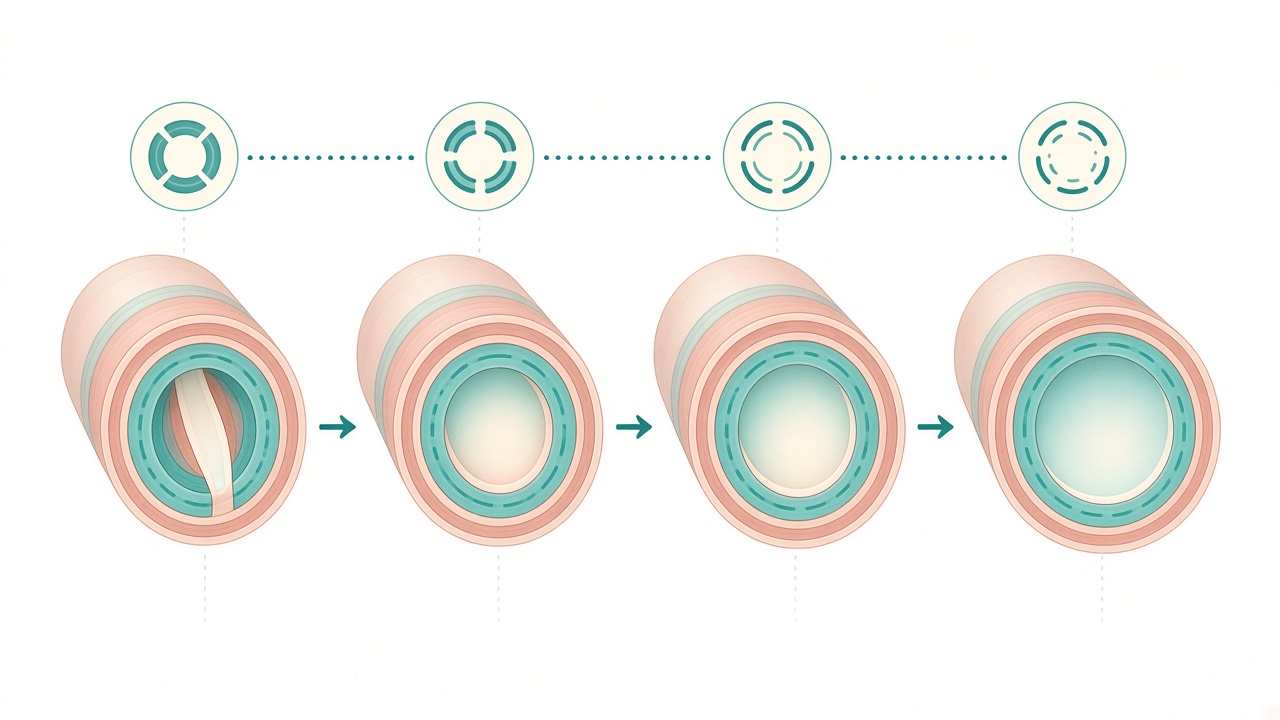
To understand this phenomenon, we must first clarify the pharmacological mechanism of nitroglycerin. The core function of this medication is to powerfully dilate smooth muscle. Although it is primarily used as a cardiac emergency drug to open up coronary arteries, smooth muscle is not solely found in blood vessels; the gastrointestinal tract and esophagus are also composed of it.
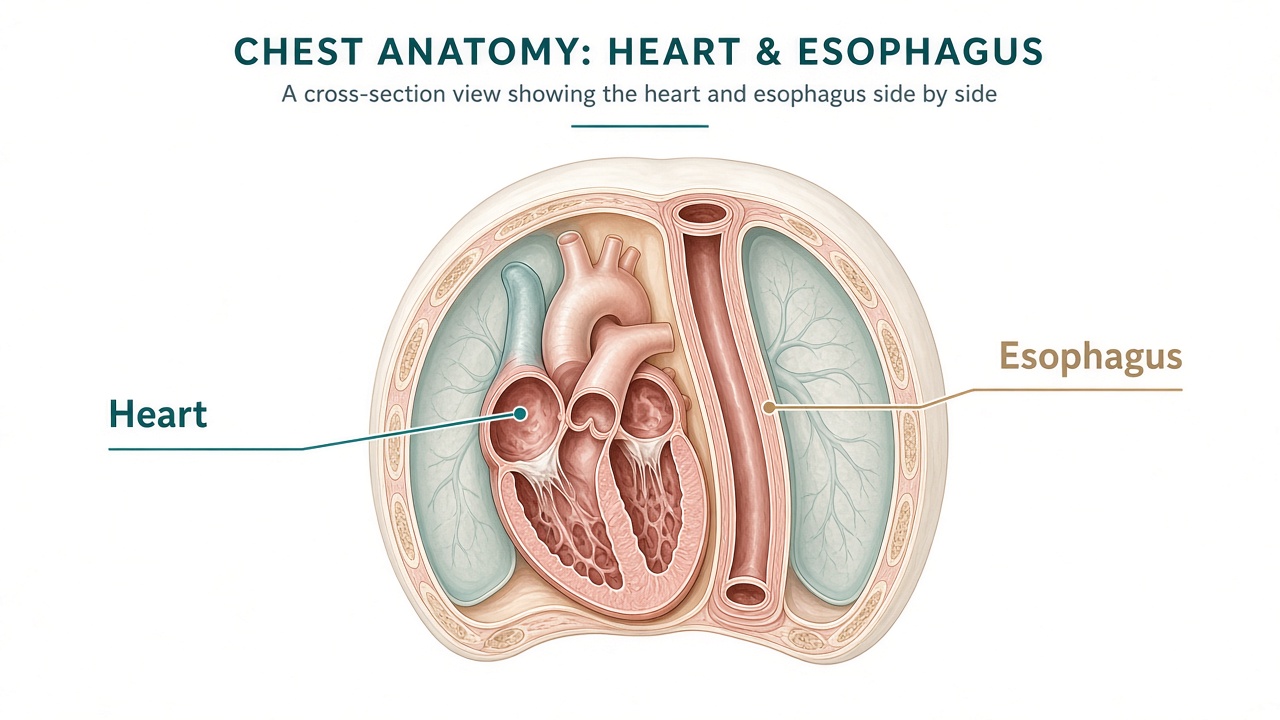
Anatomically, the esophagus and the heart are closely adjacent and share overlapping neural conduction pathways. When a patient suffers from gastroesophageal reflux disease (GERD), achalasia, or diffuse esophageal spasm, strong acid reflux can trigger intense spasms in the esophageal smooth muscle. The retrosternal burning or tugging pain caused by these spasms feels almost identical to angina pectoris.
If a patient takes nitroglycerin in this state, the drug not only dilates blood vessels but also relaxes the smooth muscle of the esophagus. Once the esophageal spasm is relieved, the pain naturally subsides. This coincidence—often described by clinical experts as a “lucky hit”—frequently causes esophageal chest pain to be misdiagnosed by patients as a cardiac event.
The Hidden Danger: Myocardial Ischemia Missed by Routine Tests
While esophageal issues can explain many such cases, a normal resting echocardiogram does not completely rule out heart problems. Routine resting ECGs and echocardiograms have a significant limitation: they only capture the heart’s status at the exact moment of the test and primarily detect structural abnormalities or major blockages.
If a patient’s chest pain is caused by the following two hidden cardiovascular conditions, routine resting examinations are highly likely to miss them:
- – Coronary Artery Spasm (Variant Angina): There may be no severe plaque buildup narrowing the blood vessels. However, triggered by certain factors, the vessel wall can suddenly and violently contract, leading to instant myocardial ischemia. Nitroglycerin rapidly dilates the vessels, halting the spasm. Case reports in international medical journals like QJM confirm that coronary spasms can even occur concurrently with esophageal spasms in the same patient, making it highly deceptive.
- – Microvascular Disease (Microvascular Angina): The main coronary arteries are clear, but the microscopic vascular network within the heart muscle suffers from severe dysfunction. Echocardiography cannot detect dynamic blood flow issues in these tiny vessels, yet the patient will still experience typical angina pain and respond positively to nitroglycerin.
Scientific Screening: Tearing Off the Disguise of Chest Pain
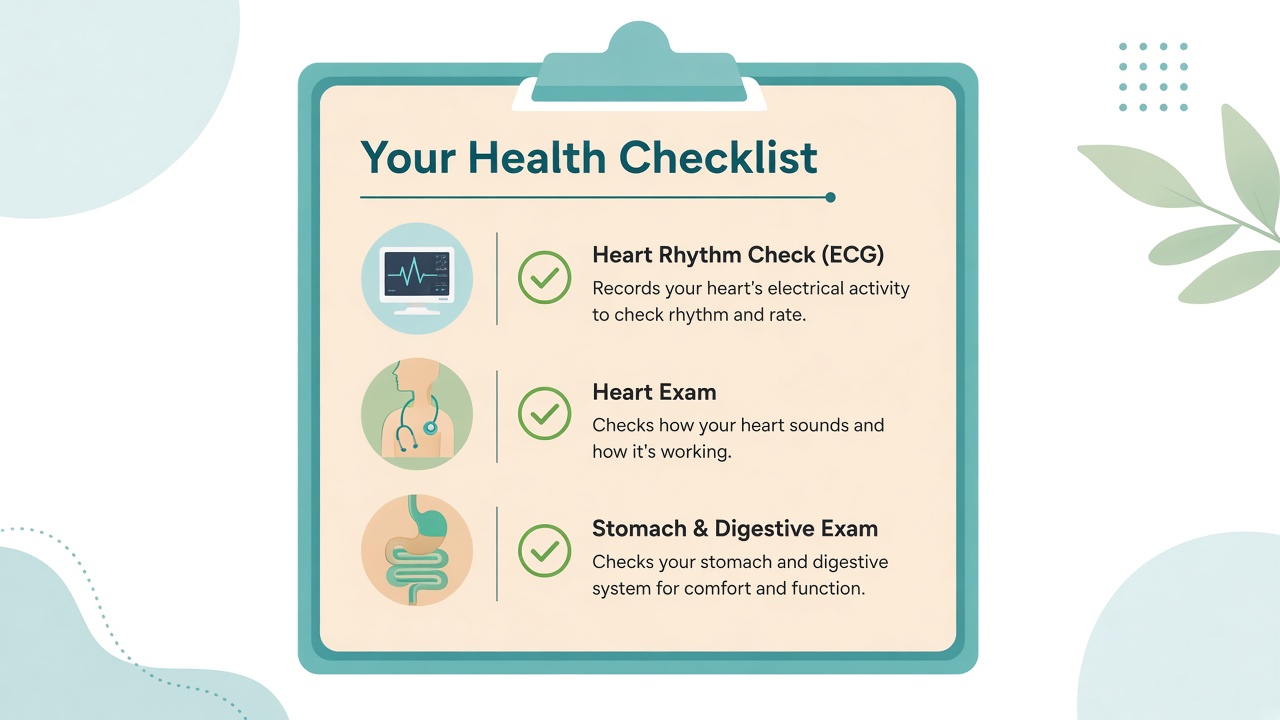
Faced with this confusing symptom, relying solely on whether nitroglycerin provides relief is medically unreliable. If you have experienced more than a dozen episodes of this chest pain over the past six months, precision screening is necessary:
- – Capture electrical activity during an episode: A normal resting test does not guarantee a normal dynamic state. A 24-hour or 72-hour Holter monitor is highly recommended. The specific ECG changes captured during the few minutes of an actual attack are the most direct evidence for diagnosing hidden myocardial ischemia.
- – Two-pronged cardiovascular and gastrointestinal screening: Bring your previous ultrasound reports to a cardiologist to evaluate the need for a Coronary CTA, which specifically screens for vascular spasms and microvascular lesions. Simultaneously, carefully observe if your chest pain is triggered by large meals, lying flat after eating, acid reflux, or heartburn. If these digestive symptoms are present, consult a gastroenterologist for an endoscopy or esophageal manometry.
Chest pain is a physical alarm that must never be ignored. Given the complex physiological mechanisms at play, the safest approach is to avoid blind self-diagnosis and uncover the true root cause through dynamic medical tracking and expert specialist evaluation.
Authoritative References & Links
- 1. Life Times — Nitroglycerin Can Mask Many Diseases. Details the atypical mechanism of nitroglycerin in relaxing esophageal smooth muscle.
- 2. Life (MDPI) — To Be, or Not to Be … Pectoral Angina? The Pain Is the Same, but the Etiology Is Different—A Case Report (2024). Confirms that referred pain caused by esophageal lesions is somatically identical to ischemic angina.
- 3. Chengde Central Hospital — Discussing the Diagnosis and Treatment of Esophageal Chest Pain. Clinical gastroenterology guidance regarding the relief response of certain non-cardiac chest pains to nitroglycerin.
- 4. QJM — Prinzmetal angina (2013). Clinical case report discussing the clinical differentiation and overlap of esophageal spasm and coronary artery spasm.
Medical disclaimer: This article is for general education only. It is not medical advice, diagnosis, or a treatment plan. Sudden chest pain, shortness of breath, sweating, fainting, or other emergency symptoms require immediate medical care or emergency services. Do not self-diagnose or change prescription medicines based on online articles.